Art as an Alternative Investment: Why Collectors Are Turning to Art
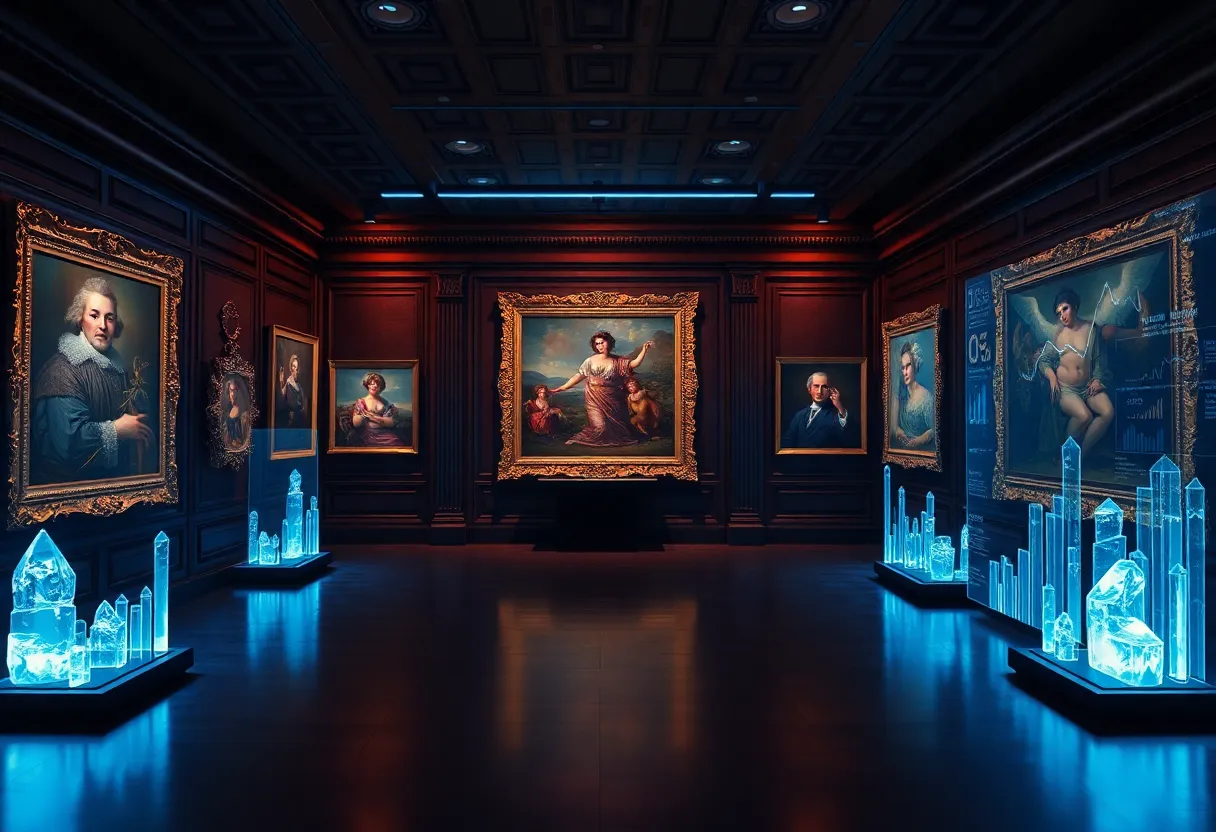
In a world of volatile equity markets, low-yield fixed deposits, and an uncertain global economy, Indian investors are increasingly looking beyond traditional asset classes. Art, once considered a pursuit reserved for the culturally elite, is emerging as a legitimate alternative investment with unique characteristics that complement conventional portfolios.
But art investment is fundamentally different from buying stocks or mutual funds. Understanding these differences is crucial before allocating capital.
Art as an Asset Class: The Basics
Art is a tangible, non-correlated asset. This means:
Tangible. Unlike stocks, bonds, or cryptocurrencies, art is a physical object. You can see it, touch it, and display it in your home. This tangibility appeals to investors who are uncomfortable with purely digital assets.
Non-correlated. Art prices do not move in lockstep with the stock market, bond yields, or real estate prices. During the 2008 financial crisis, while equity markets crashed, parts of the art market held relatively steady. This non-correlation makes art a useful portfolio diversifier.
Dual utility. A painting on your wall provides aesthetic pleasure every day, regardless of what it is worth on the market. No other investment asset offers this combination of financial and personal utility.
Historical Performance
The Indian art market has shown strong long-term appreciation:
- Works by leading Indian modernists (Raza, Husain, Souza) have appreciated 10-20x over 20-30 year periods
- Mid-career contemporary artists often see 3-5x appreciation over a decade
- Even emerging artist works can double or triple in value within 5-7 years if the artist's career progresses
However, these are averages across successful investments. Many artworks do not appreciate at all, and some lose value. Art investment requires selectivity, research, and an acceptance that not every purchase will be a winner.
How Art Compares to Other Alternative Investments
Art vs. Gold
Gold is the traditional Indian alternative investment. It is highly liquid, universally valued, and culturally significant. Art differs from gold in several ways: it offers aesthetic value that gold jewelry provides but gold bars do not, it is less liquid, and individual artworks have the potential for much higher appreciation than the relatively steady growth of gold.
Art vs. Real Estate
Real estate has been India's preferred wealth-building tool for decades. Like art, it is tangible and can appreciate significantly. But real estate requires much larger capital commitments, carries maintenance costs, and is far less portable. A collection of art worth INR 20,00,000 fits on your walls. A property worth the same amount comes with EMIs, property tax, and maintenance headaches.
Art vs. Cryptocurrency
Crypto offers high potential returns but with extreme volatility and no physical presence. Art provides the stability of a tangible asset with the growth potential of a carefully chosen portfolio. For risk-averse investors, art is a far more comfortable alternative.
Building an Art Investment Strategy
Allocate a Fixed Percentage
Most financial advisors who include art in their recommendations suggest allocating 5-15% of your investment portfolio to art and collectibles. This is enough to benefit from diversification without overexposing yourself to an illiquid asset class.
Focus on the INR 25,000 - INR 3,00,000 Range
This price range offers the best risk-adjusted opportunity for Indian art investors. Below INR 25,000, works are often by very early-stage artists whose careers may not develop. Above INR 3,00,000, you need deep market knowledge to avoid overpaying.
Within this range, you can build a portfolio of 5-15 works by promising artists with established exhibition records, giving you diversification and meaningful appreciation potential.
Research, Research, Research
Before every purchase, investigate:
- The artist's exhibition history and gallery representation
- Comparable sales of similar works
- Critical reception and institutional interest
- The artist's consistency and career trajectory
Platforms like KeepThisArt make it easier to research by providing detailed artwork listings with medium, dimensions, provenance information, and pricing context.
Buy the Best You Can Afford
Within your budget, always choose the strongest work available. A single exceptional piece by a promising artist will almost always outperform three mediocre pieces at the same total cost. Quality compounds over time.
Liquidity: The Art Market's Biggest Challenge
The most significant drawback of art as an investment is liquidity. Selling a painting is not like selling a stock. Finding the right buyer at the right price can take weeks or months, and there is no guarantee of finding a buyer at all.
However, this is improving rapidly. Online platforms are creating more liquid secondary markets for art in India. Peer-to-peer trading on KeepThisArt allows collectors to list, price, and sell their works to a nationwide audience, significantly reducing the time and effort required to exit a position. The option to trade artworks rather than only buy and sell adds another dimension of liquidity.
Tax Considerations for Indian Art Investors
Art sales in India are subject to capital gains tax:
- Short-term (held less than 36 months): Taxed at your income tax slab rate
- Long-term (held more than 36 months): Taxed at 20% with indexation benefits
Keep meticulous records of purchase prices, dates, and sale proceeds. Condition reports, certificates of authenticity, and transaction receipts from platforms all serve as supporting documentation for tax purposes.
The Emotional Return
Every seasoned art investor will tell you something that does not appear in any financial analysis: the emotional return of living with art you love is real and significant. Waking up to a painting that stirs something in you, watching guests react to a piece in your living room, or learning the story behind a work you own are experiences that no stock portfolio can provide.
This emotional dimension is actually an advantage. It means that even if a piece does not appreciate financially, it still delivers value. In what other investment can you say that?
Getting Started
If art investment interests you, start here:
- Set a budget for your first 3-5 acquisitions
- Spend a month browsing platforms and visiting galleries to calibrate your eye
- Focus on artists with at least 3-5 years of exhibition history
- Buy the strongest work you can afford within your budget
- Hold for at least 5 years before considering selling
- Document everything from day one
The art market rewards those who combine passion with discipline. Invest in what you love, do your research, and think long-term. The results, both financial and personal, can be exceptional.