Building Your First Art Collection: Tips from Experienced Collectors
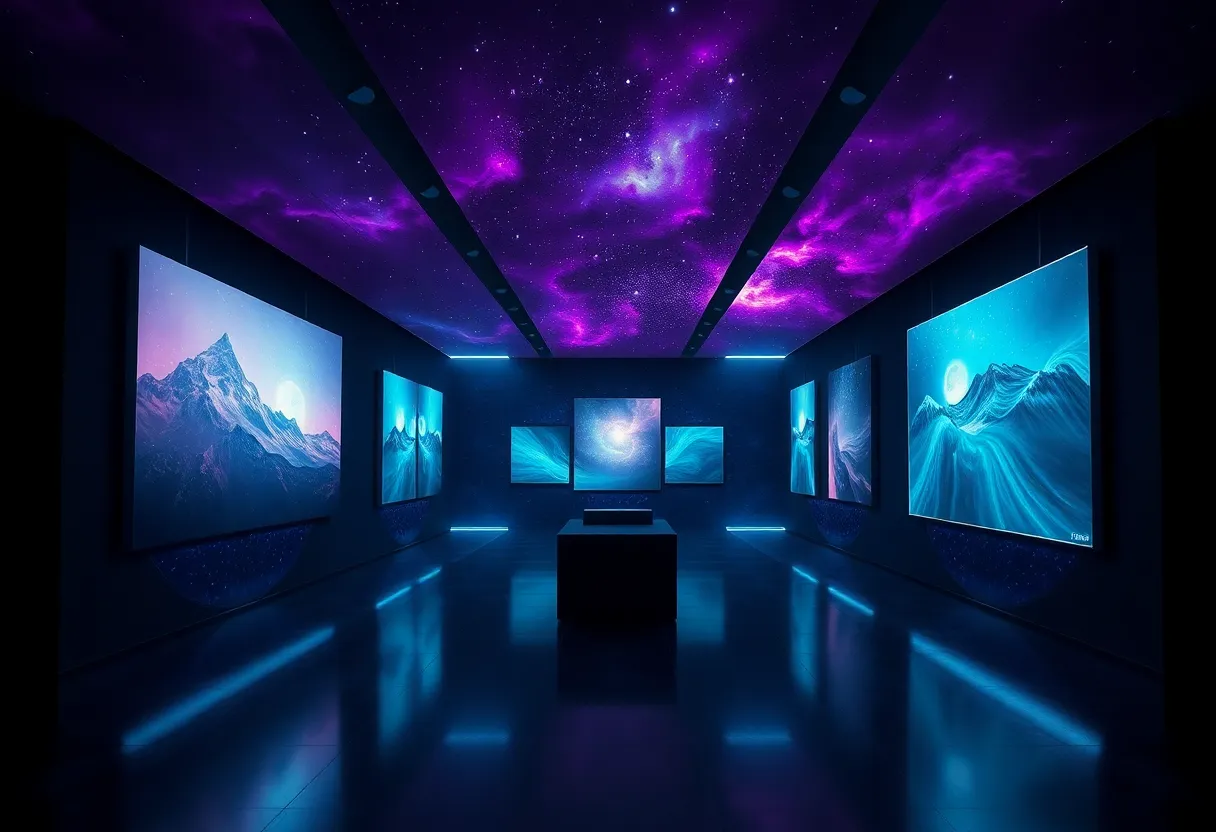
Every art collection starts with a single piece. That first purchase, whether it is a small watercolor from a local artist or a striking print that caught your eye online, marks the beginning of a journey that experienced collectors describe as one of the most rewarding pursuits of their lives. But how do you go from owning one piece to building a cohesive, meaningful collection?
We spoke with several experienced collectors across India to distill their hard-won wisdom into practical advice for anyone starting out.
Buy What Moves You First, Invest Second
This is the single most consistent piece of advice from every collector we consulted. The art you live with every day should be art that genuinely resonates with you. Investment potential is a welcome bonus, but it should never be the primary driver of your first purchases.
"I bought my first painting because it reminded me of monsoon evenings in Kolkata," shares one collector with over 200 works. "Twenty years later, it is still one of my favorites, and incidentally, it has appreciated more than almost anything else I own. I think that is not a coincidence. The art that moves you deeply tends to be the art that has lasting power."
The practical takeaway: if you do not love it, do not buy it. No amount of projected appreciation justifies living with art that leaves you cold.
Develop Your Eye Before Spending Big
Before making significant purchases, invest time in developing your visual literacy:
Visit exhibitions regularly. Even if you cannot afford to buy, gallery visits train your eye and expose you to different styles, mediums, and artistic voices. Many cities in India have free gallery openings and art walks.
Browse online platforms. Spend time on platforms like KeepThisArt browsing artworks across different categories. The more art you see, the more refined your preferences become.
Read about art. You do not need an art history degree, but reading about the artists and movements you are drawn to deepens your appreciation and helps you understand context.
Talk to other collectors. Join online communities or attend collector meetups. Hearing why other people collect what they collect expands your perspective.
This period of exploration is not wasted time. It is the foundation that prevents impulsive purchases you may later regret.
Start Small and Specific
Rather than trying to build a comprehensive collection from day one, experienced collectors recommend starting with a focused approach:
Choose a thread. This could be a medium (only watercolors), a region (art from Rajasthan), a subject (landscapes), or even a color palette. Having a thread gives your collection coherence and helps you evaluate new pieces against existing ones.
Set a per-piece budget. Decide on a maximum spend for your first 5-10 acquisitions. This constraint forces you to be selective and develops your ability to assess value. Many collectors started with a budget of INR 5,000-15,000 per piece.
Aim for 10 pieces in the first year. This is not a rigid target, but having a rough goal keeps you engaged without creating pressure. One piece per month is a comfortable pace that allows time for research and reflection between acquisitions.
Quality Over Quantity, Always
It is tempting, especially when exploring a platform with thousands of listings, to acquire many affordable pieces quickly. Resist this urge. Experienced collectors consistently emphasize that a small number of excellent works is far more satisfying than a large number of mediocre ones.
"I made the mistake of buying twenty-something pieces in my first year because everything seemed affordable and exciting," admits one collector. "I have since sold or given away half of them. If I had spent the same total budget on five carefully chosen pieces, my collection would be much stronger."
When evaluating a potential purchase, ask yourself: does this piece hold up to repeated viewing? Art that excites you on first glance but has nothing more to reveal is unlikely to satisfy long-term.
Document Everything from Day One
This is the advice most beginners overlook and most experienced collectors wish they had followed earlier:
- Photograph every piece in good lighting immediately after acquisition
- Save all receipts and correspondence related to the purchase
- Record provenance details: where you bought it, from whom, the date, the price
- Note the artist's background: their training, exhibitions, career stage at time of purchase
- Keep certificates of authenticity in a safe, organized system
This documentation is essential for insurance, future sales, and establishing provenance. It takes minimal effort at the time of purchase but becomes increasingly difficult to reconstruct later.
The Art of Display
How you display your collection matters more than many new collectors realize. A beautiful painting hung in poor lighting on a cluttered wall loses much of its impact.
Lighting. Invest in good picture lighting. LED track lights or dedicated picture lights dramatically improve how your art looks and create a gallery-like atmosphere.
Spacing. Give each piece room to breathe. Overcrowded walls diminish individual works. If you have more art than wall space, rotate your display seasonally.
Height. Center artworks at eye level, roughly 57-60 inches from the floor to the center of the piece. This is the standard gallery hanging height for good reason.
Grouping. If creating a gallery wall with multiple pieces, plan the arrangement on the floor first. Use paper cutouts to test positions before putting holes in walls.
When to Trade or Let Go
Collections evolve, and so do your tastes. The art you loved five years ago may not resonate with who you are today. This is natural and healthy. Experienced collectors are not afraid to trade or sell pieces that no longer speak to them.
Peer-to-peer platforms like KeepThisArt make this practical by enabling direct trades between collectors. You can swap a piece you have grown beyond for something that excites you now, often without any financial outlay beyond the platform's modest fees. Some of the most interesting collection stories involve chains of trades where one initial purchase eventually transformed into something entirely different and more personally meaningful.
The Long View
Building a collection is a marathon, not a sprint. The collectors who find the most satisfaction are those who approach it with patience, curiosity, and a willingness to learn from mistakes. Your collection will reflect your journey, your evolving taste, the places you have visited, the artists you have met, and the moments that moved you to bring a piece of art into your life.
Start today. Start small. And enjoy the process.